

content marketing

Organic Traffic, SEO Strategies, Content Marketing, Website Traffic, Search Engine Optimization, Digital Marketing, Organic Growth

How to Increase Organic Website Traffic Without Spending on Ads !!

Every business wants more website visitors, but not every business has a large advertising budget. The good news is that you don’t need to spend thousands on paid ads to attract potential customers. By implementing the right strategies, you can increase organic website traffic and generate consistent visitors through search engines and valuable content.Organic traffic refers to visitors who find your website naturally through search engine results rather than paid advertisements. Unlike paid campaigns that stop producing results when the budget runs out, organic traffic can continue to grow and deliver long-term value.In this guide, we’ll explore proven methods to increase organic website traffic without spending money on ads. What Is Organic Website Traffic? Organic website traffic comes from unpaid search engine results. When users search for information, products, or services on Google and click on your website naturally, that visit is considered organic traffic.Examples include:Reading a blog post from Google SearchFinding your business through local search resultsClicking on an educational article that ranks organicallyOrganic traffic is valuable because visitors are actively searching for information related to your business. Why Organic Traffic Matters Organic traffic offers several long-term benefits:Cost-Effective GrowthUnlike paid advertising, organic traffic does not require ongoing advertising expenses.Higher TrustUsers often trust organic search results more than advertisements.Sustainable ResultsWell-optimized content can continue generating traffic for months or even years.Better Return on InvestmentQuality content and SEO efforts often deliver stronger long-term returns than paid capaigns 1. Focus on Search Engine Optimization (SEO) SEO is the foundation of organic traffic growth.Search Engine Optimization helps your website rank higher in search engine results, making it easier for users to discover your content.Key SEO PracticesConduct keyword researchOptimize title tagsWrite compelling meta descriptionsImprove website speedUse proper heading structuresOptimize imagesBuild quality backlinksThe better your SEO strategy, the higher your chances of attracting organic visitors. 2. Create High-Quality Blog Content Content remains one of the most effective ways to attract organic traffic.Businesses that consistently publish useful and informative content often see significant growth in website visits.Content IdeasIndustry guidesHow-to articlesTutorialsCase studiesExpert insightsFrequently asked questionsFocus on solving real problems that your target audience faces. 3. Target Long-Tail Keywords Many businesses compete for highly competitive keywords.Instead, focus on long-tail keywords that are more specific and easier to rank for.Examples:Instead of:Digital MarketingUse:Best digital marketing strategies for small businessesHow to improve online visibility for local businessesBenefitsLower competitionHigher conversion ratesMore targeted trafficLong-tail keywords help attract visitors who are actively looking for specific solutions. 4. Optimize Existing Content You don’t always need new content to increase traffic.Review your existing articles and update them with:Current informationBetter keywordsNew statisticsImproved formattingInternal linksRefreshing older content often improves rankings and visibility. Measuring Organic Traffic Growth Track important metrics such as:Organic visitorsKeyword rankingsBounce rateTime on pageClick-through rateConversion rateUseful tools include:Google AnalyticsGoogle Search ConsoleSEO monitoring toolsRegular analysis helps identify opportunities for improvement. CONCLUSION Increasing organic website traffic without spending on ads is entirely possible with the right strategy. By focusing on SEO, creating valuable content, targeting long-tail keywords, improving website performance, building backlinks, and understanding user intent, businesses can attract a steady stream of visitors and generate sustainable growth.While organic growth takes time and consistency, the long-term benefits far outweigh the investment. Unlike paid advertising, organic traffic continues working for your business long after the content is published, making it one of the most valuable assets in digital marketing.Key TakeawaysSEO is the foundation of organic traffic growth.High-quality content attracts visitors naturally.Long-tail keywords improve ranking opportunities.Website speed affects user experience and SEO.Internal links strengthen website structure.Local SEO helps attract nearby customers.Backlinks increase website authority.User-focused content drives better results.Organic traffic delivers long-term value.
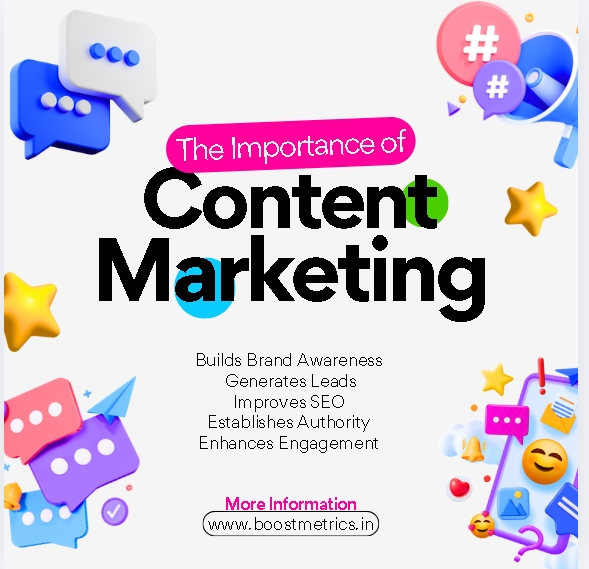
boost post, brand growth, content marketing, digital marketingagency, future marketing insights, growtth through digitalisation, high engagement, marketing brands online, marketing stratergy, social media marketing

Content Marketing Strategies That Increase Conversions

Discover how content marketing helps businesses attract, engage, and convert customers. Learn proven content marketing strategies that build trust, increase website traffic, and drive higher conversions. The Power of Content Marketing: Turning Readers into Customers In today’s digital-first world, consumers no longer want to be sold to—they want to be informed, educated, and inspired. Traditional advertising methods are becoming less effective as audiences increasingly seek valuable content that helps them solve problems and make informed decisions.This is where content marketing becomes a powerful business tool.Content marketing is more than simply writing blog posts or posting on social media. It is a strategic approach focused on creating and distributing valuable, relevant, and consistent content to attract and retain a clearly defined audience. When executed effectively, content marketing transforms casual website visitors into loyal customers and brand advocates.Businesses that invest in content marketing often experience increased brand visibility, stronger customer relationships, higher search engine rankings, and improved conversion rates. What Is Content Marketing? Content marketing is the practice of creating valuable content that educates, entertains, or informs your target audience rather than directly promoting products or services.Common forms of content marketing include:Blog articlesSocial media contentVideosInfographicsEmail newslettersCase studieseBooksWebinarsPodcasts Why Content Marketing Matters More Than Ever Modern consumers conduct extensive research before making purchasing decisions. They compare options, read reviews, explore solutions, and seek expert guidance. If your business provides helpful content during this process, you become a trusted resource rather than just another company trying to make a sale. Key Benefits of Content Marketing Increases brand awareness Builds credibility and trust Improves search engine rankings Generates qualified leads Enhances customer engagement Supports social media growth Strengthens customer relationships Increases conversions and sales Content marketing works because it focuses on helping customers rather than interrupting them. How Content Marketing Turns Readers into Customers Successful content marketing follows a strategic customer journey. Stage 1: Attracting Potential Customers The first step is attracting people who are actively searching for information related to your products or services. Businesses achieve this through: SEO-optimized blog posts Educational videos Social media content Search engine visibility Industry insights For example, a business owner searching for “how to increase website traffic” may discover your blog article through Google. Stage 2: Building Trust and Authority Once visitors arrive on your website, your content should demonstrate expertise and provide genuine value. Examples include: How-to guides Industry reports Expert tips Case studies Problem-solving articles When readers consistently find useful information from your brand, they begin to view your business as a trusted authority. Stage 3: Nurturing Leads Not every visitor is ready to buy immediately. Content marketing helps nurture potential customers by keeping them engaged through: Email campaigns Downloadable resources Educational content series Personalized recommendations Customer success stories This ongoing relationship keeps your brand top-of-mind until the prospect is ready to make a purchase. Measuring Content Marketing Success Track key performance indicators such as: Website traffic Organic search rankings Engagement rates Time on page Lead generation Conversion rates Customer retention Analyzing performance data helps refine strategies and improve future content. The Future of Content Marketing As technology evolves, content marketing will become increasingly personalized and data-driven. Emerging trends include: AI-assisted content creation Interactive content experiences Personalized customer journeys Voice search optimization Video-first content strategies Businesses that embrace these innovations will remain competitive in the evolving digital landscape. CONCLUSION Content marketing is one of the most effective ways to attract, engage, and convert customers in today’s digital marketplace. By providing valuable information, building trust, and guiding prospects through the customer journey, businesses can create lasting relationships that drive sustainable growth. Rather than focusing solely on sales, successful content marketing focuses on delivering value. When businesses consistently educate, inform, and inspire their audience, they naturally position themselves as trusted industry leaders. The result is more traffic, stronger customer relationships, higher conversions, and long-term business success. Key Takeaways Content marketing builds trust and authority. Storytelling improves engagement. Strong CTAs increase conversions. Content nurtures prospects throughout the buying journey. Data and analytics help optimize performance. Content marketing supports long-term business growth. Businesses that provide value first are more likely to win customer trust and loyalty.

Scroll to Top