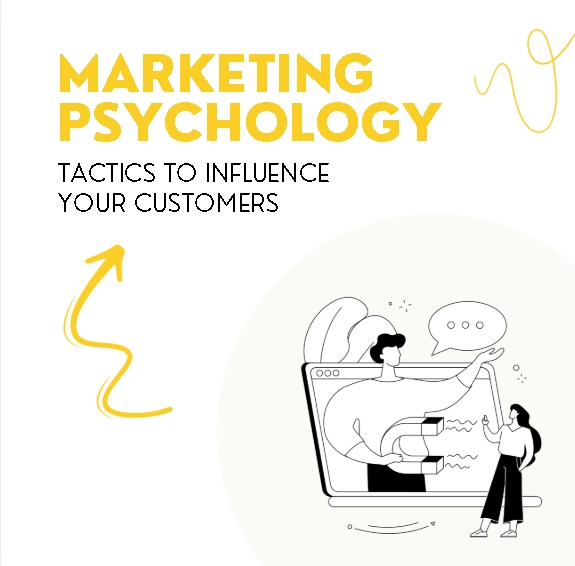
Discover how content marketing helps businesses attract, engage, and convert customers. Learn proven content marketing strategies that build trust, increase website traffic, and drive higher conversions.
The Power of Content Marketing: Turning Readers into Customers
In today's digital-first world, consumers no longer want to be sold to—they want to be informed, educated, and inspired. Traditional advertising methods are becoming less effective as audiences increasingly seek valuable content that helps them solve problems and make informed decisions.This is where content marketing becomes a powerful business tool.Content marketing is more than simply writing blog posts or posting on social media. It is a strategic approach focused on creating and distributing valuable, relevant, and consistent content to attract and retain a clearly defined audience. When executed effectively, content marketing transforms casual website visitors into loyal customers and brand advocates.Businesses that invest in content marketing often experience increased brand visibility, stronger customer relationships, higher search engine rankings, and improved conversion rates.
What Is Content Marketing?
Content marketing is the practice of creating valuable content that educates, entertains, or informs your target audience rather than directly promoting products or services.Common forms of content marketing include:Blog articlesSocial media contentVideosInfographicsEmail newslettersCase studieseBooksWebinarsPodcasts
Why Content Marketing Matters More Than Ever
Modern consumers conduct extensive research before making purchasing decisions. They compare options, read reviews, explore solutions, and seek expert guidance.
If your business provides helpful content during this process, you become a trusted resource rather than just another company trying to make a sale.
Key Benefits of Content Marketing
How Content Marketing Turns Readers into Customers
Successful content marketing follows a strategic customer journey.
Stage 1: Attracting Potential Customers
The first step is attracting people who are actively searching for information related to your products or services.
Businesses achieve this through:
- SEO-optimized blog posts
- Educational videos
- Social media content
- Search engine visibility
- Industry insights
For example, a business owner searching for “how to increase website traffic” may discover your blog article through Google.
Stage 2: Building Trust and Authority
Once visitors arrive on your website, your content should demonstrate expertise and provide genuine value.
Examples include:
- How-to guides
- Industry reports
- Expert tips
- Case studies
- Problem-solving articles
When readers consistently find useful information from your brand, they begin to view your business as a trusted authority.
Stage 3: Nurturing Leads
Not every visitor is ready to buy immediately.
Content marketing helps nurture potential customers by keeping them engaged through:
- Email campaigns
- Downloadable resources
- Educational content series
- Personalized recommendations
- Customer success stories
This ongoing relationship keeps your brand top-of-mind until the prospect is ready to make a purchase.

Measuring Content Marketing Success
Track key performance indicators such as:
- Website traffic
- Organic search rankings
- Engagement rates
- Time on page
- Lead generation
- Conversion rates
- Customer retention
Analyzing performance data helps refine strategies and improve future content.
The Future of Content Marketing
As technology evolves, content marketing will become increasingly personalized and data-driven.
Emerging trends include:
- AI-assisted content creation
- Interactive content experiences
- Personalized customer journeys
- Voice search optimization
- Video-first content strategies
Businesses that embrace these innovations will remain competitive in the evolving digital landscape.
CONCLUSION
Content marketing is one of the most effective ways to attract, engage, and convert customers in today’s digital marketplace. By providing valuable information, building trust, and guiding prospects through the customer journey, businesses can create lasting relationships that drive sustainable growth.
Rather than focusing solely on sales, successful content marketing focuses on delivering value. When businesses consistently educate, inform, and inspire their audience, they naturally position themselves as trusted industry leaders.
The result is more traffic, stronger customer relationships, higher conversions, and long-term business success.
Key Takeaways
- Content marketing builds trust and authority.
- Storytelling improves engagement.
- Strong CTAs increase conversions.
- Content nurtures prospects throughout the buying journey.
- Data and analytics help optimize performance.
- Content marketing supports long-term business growth.
- Businesses that provide value first are more likely to win customer trust and loyalty.