
How to Increase Organic Website Traffic Without Spending on Ads !!
Every business wants more website visitors, but not every business has a large advertising budget. The good news is that you don’t need to spend thousands on paid ads to attract potential customers. By implementing the right strategies, you can increase organic website traffic and generate consistent visitors through search engines and valuable content.Organic traffic refers to visitors who find your website naturally through search engine results rather than paid advertisements. Unlike paid campaigns that stop producing results when the budget runs out, organic traffic can continue to grow and deliver long-term value.In this guide, we’ll explore proven methods to increase organic website traffic without spending money on ads. What Is Organic Website Traffic? Organic website traffic comes from unpaid search engine results. When users search for information, products, or services on Google and click on your website naturally, that visit is considered organic traffic.Examples include:Reading a blog post from Google SearchFinding your business through local search resultsClicking on an educational article that ranks organicallyOrganic traffic is valuable because visitors are actively searching for information related to your business. Why Organic Traffic Matters Organic traffic offers several long-term benefits:Cost-Effective GrowthUnlike paid advertising, organic traffic does not require ongoing advertising expenses.Higher TrustUsers often trust organic search results more than advertisements.Sustainable ResultsWell-optimized content can continue generating traffic for months or even years.Better Return on InvestmentQuality content and SEO efforts often deliver stronger long-term returns than paid capaigns 1. Focus on Search Engine Optimization (SEO) SEO is the foundation of organic traffic growth.Search Engine Optimization helps your website rank higher in search engine results, making it easier for users to discover your content.Key SEO PracticesConduct keyword researchOptimize title tagsWrite compelling meta descriptionsImprove website speedUse proper heading structuresOptimize imagesBuild quality backlinksThe better your SEO strategy, the higher your chances of attracting organic visitors. 2. Create High-Quality Blog Content Content remains one of the most effective ways to attract organic traffic.Businesses that consistently publish useful and informative content often see significant growth in website visits.Content IdeasIndustry guidesHow-to articlesTutorialsCase studiesExpert insightsFrequently asked questionsFocus on solving real problems that your target audience faces. 3. Target Long-Tail Keywords Many businesses compete for highly competitive keywords.Instead, focus on long-tail keywords that are more specific and easier to rank for.Examples:Instead of:Digital MarketingUse:Best digital marketing strategies for small businessesHow to improve online visibility for local businessesBenefitsLower competitionHigher conversion ratesMore targeted trafficLong-tail keywords help attract visitors who are actively looking for specific solutions. 4. Optimize Existing Content You don’t always need new content to increase traffic.Review your existing articles and update them with:Current informationBetter keywordsNew statisticsImproved formattingInternal linksRefreshing older content often improves rankings and visibility. Measuring Organic Traffic Growth Track important metrics such as:Organic visitorsKeyword rankingsBounce rateTime on pageClick-through rateConversion rateUseful tools include:Google AnalyticsGoogle Search ConsoleSEO monitoring toolsRegular analysis helps identify opportunities for improvement. CONCLUSION Increasing organic website traffic without spending on ads is entirely possible with the right strategy. By focusing on SEO, creating valuable content, targeting long-tail keywords, improving website performance, building backlinks, and understanding user intent, businesses can attract a steady stream of visitors and generate sustainable growth.While organic growth takes time and consistency, the long-term benefits far outweigh the investment. Unlike paid advertising, organic traffic continues working for your business long after the content is published, making it one of the most valuable assets in digital marketing.Key TakeawaysSEO is the foundation of organic traffic growth.High-quality content attracts visitors naturally.Long-tail keywords improve ranking opportunities.Website speed affects user experience and SEO.Internal links strengthen website structure.Local SEO helps attract nearby customers.Backlinks increase website authority.User-focused content drives better results.Organic traffic delivers long-term value.
Local SEO Guide for Small Business Success!!
In today’s digital world, customers rely heavily on search engines to find local businesses, products, and services. Whether they’re searching for a nearby restaurant, a digital marketing agency, a clothing store, or a repair service, their journey often begins with a Google search.According to recent consumer behavior trends, most people use search engines to discover local businesses before making a purchase decision. If your business isn’t appearing in local search results, you’re likely losing valuable customers to competitors who have invested in Local SEO.Local SEO (Search Engine Optimization) helps businesses improve their visibility in location-based searches, making it easier for nearby customers to find and choose their services.For small businesses, Local SEO is one of the most cost-effective marketing strategiesavailable. It helps increase online visibility, drive qualified traffic, generate leads, and boost sales without requiring a massive advertising budget.This comprehensive guide explores the most effective Local SEO strategies that can help small businesses dominate local search results and achieve long-term success. What Is Local SEO? Local SEO is the process of optimizing your online presence to attract customers from local searches. Examples of local searches include: Best digital marketing agency near me Coffee shop in Delhi Local SEO services nearby Plumber near me Best dentist in my area Unlike traditional SEO, which focuses on ranking nationally or globally, Local SEO targets customers within a specific geographic location. The goal is to ensure your business appears when potential customers search forproducts or services in your area. Why Local SEO Matters for Small Businesses Small businesses often compete against larger brands with bigger marketing budgets. Local SEO levels the playing field by helping businesses target customers within their service area. Benefits of Local SEO Increased online visibility Higher website traffic More qualified leads Better conversion rates Increased foot traffic to physical locations Improved brand credibility Stronger local market presence Long-term marketing results When customers actively search for your services, Local SEO helps position your business directly in front of them at the right time. 1. Optimize Your Google Business Profile Your Google Business Profile is one of the most important factors in Local SEO success. A fully optimized profile helps your business appear in: Google Search Results Google Maps Local Pack Listings Optimization Checklist ✔ Complete business information ✔ Accurate business name ✔ Correct address ✔ Website URL ✔ Business hours ✔ Service categories ✔ High-quality photos ✔ Detailed business description Why It Matters Google uses this information to determine the relevance and credibility of your business for local searches. 2. Maintain Consistent NAP Information NAP stands for: Name Address Phone Number Your business information should remain consistent across all online platforms. These include: Website Business directories Social media profiles Google Business Profile Review websites Inconsistent information can confuse both customers and search engines, negatively impacting local rankings. 3. Target Local Keywords Keyword optimization is a critical component of Local SEO. Instead of targeting broad keywords, focus on location-specific search terms. Examples: Digital Marketing Agency in Delhi Local SEO Services Delhi Best Marketing Agency Near Me SEO Company in Delhi NCR How to Find Local Keywords Use Google Autocomplete Analyze competitor websites Research customer search behavior Use keyword research tools Why It Matters Local keywords help search engines understand where your business operates and who it serves. 4. Create Location-Specific Landing Pages If your business serves multiple locations, create dedicated pages for each area. Examples: SEO Services in Delhi Social Media Marketing in Gurgaon PPC Services in Noida Each page should include: Unique content Location-specific keywords Customer testimonials Local contact information Relevant service details Why It Matters Location pages improve your chances of ranking for searches in multiple geographic areas. 5. Encourage Customer Reviews Online reviews play a major role in local search rankings and customer trust. Encourage satisfied customers to leave reviews on: Google Facebook Industry-specific directories Best Practices Request reviews after successful service delivery Respond to all reviews professionally Thank customers for positive feedback Address concerns respectfully Why It Matters Positive reviews improve credibility, visibility, and conversion rates. The Future of Local SEO Local SEO continues to evolve as search engines become smarter and user expectations increase. Future trends include: Voice search optimization AI-powered search experiences Personalized local search results Increased mobile search activity Enhanced Google Business Profile features Businesses that adapt to these changes will maintain a competitive advantage in local markets. CONCLUSION By optimizing your Google Business Profile, targeting local keywords, building citations, collecting customer reviews, and creating localized content, you can increase your visibility and attract more customers from your local area. Unlike traditional advertising, Local SEO provides long-term value by helping your business appear when customers are actively searching for your products or services. With the right strategy and consistent effort, small businesses can compete effectively, build strong community presence, and achieve sustainable growth. Key Takeaways Local SEO helps businesses attract nearby customers. Google Business Profile optimization is essential. Consistent NAP information improves credibility. Local keywords increase search visibility. Customer reviews build trust and influence rankings.
Content Marketing Strategies That Increase Conversions
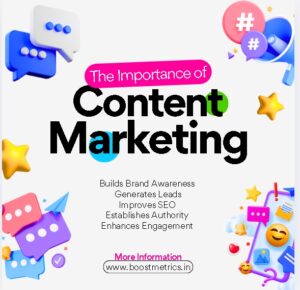
Discover how content marketing helps businesses attract, engage, and convert customers. Learn proven content marketing strategies that build trust, increase website traffic, and drive higher conversions. The Power of Content Marketing: Turning Readers into Customers In today’s digital-first world, consumers no longer want to be sold to—they want to be informed, educated, and inspired. Traditional advertising methods are becoming less effective as audiences increasingly seek valuable content that helps them solve problems and make informed decisions.This is where content marketing becomes a powerful business tool.Content marketing is more than simply writing blog posts or posting on social media. It is a strategic approach focused on creating and distributing valuable, relevant, and consistent content to attract and retain a clearly defined audience. When executed effectively, content marketing transforms casual website visitors into loyal customers and brand advocates.Businesses that invest in content marketing often experience increased brand visibility, stronger customer relationships, higher search engine rankings, and improved conversion rates. What Is Content Marketing? Content marketing is the practice of creating valuable content that educates, entertains, or informs your target audience rather than directly promoting products or services.Common forms of content marketing include:Blog articlesSocial media contentVideosInfographicsEmail newslettersCase studieseBooksWebinarsPodcasts Why Content Marketing Matters More Than Ever Modern consumers conduct extensive research before making purchasing decisions. They compare options, read reviews, explore solutions, and seek expert guidance. If your business provides helpful content during this process, you become a trusted resource rather than just another company trying to make a sale. Key Benefits of Content Marketing Increases brand awareness Builds credibility and trust Improves search engine rankings Generates qualified leads Enhances customer engagement Supports social media growth Strengthens customer relationships Increases conversions and sales Content marketing works because it focuses on helping customers rather than interrupting them. How Content Marketing Turns Readers into Customers Successful content marketing follows a strategic customer journey. Stage 1: Attracting Potential Customers The first step is attracting people who are actively searching for information related to your products or services. Businesses achieve this through: SEO-optimized blog posts Educational videos Social media content Search engine visibility Industry insights For example, a business owner searching for “how to increase website traffic” may discover your blog article through Google. Stage 2: Building Trust and Authority Once visitors arrive on your website, your content should demonstrate expertise and provide genuine value. Examples include: How-to guides Industry reports Expert tips Case studies Problem-solving articles When readers consistently find useful information from your brand, they begin to view your business as a trusted authority. Stage 3: Nurturing Leads Not every visitor is ready to buy immediately. Content marketing helps nurture potential customers by keeping them engaged through: Email campaigns Downloadable resources Educational content series Personalized recommendations Customer success stories This ongoing relationship keeps your brand top-of-mind until the prospect is ready to make a purchase. Measuring Content Marketing Success Track key performance indicators such as: Website traffic Organic search rankings Engagement rates Time on page Lead generation Conversion rates Customer retention Analyzing performance data helps refine strategies and improve future content. The Future of Content Marketing As technology evolves, content marketing will become increasingly personalized and data-driven. Emerging trends include: AI-assisted content creation Interactive content experiences Personalized customer journeys Voice search optimization Video-first content strategies Businesses that embrace these innovations will remain competitive in the evolving digital landscape. CONCLUSION Content marketing is one of the most effective ways to attract, engage, and convert customers in today’s digital marketplace. By providing valuable information, building trust, and guiding prospects through the customer journey, businesses can create lasting relationships that drive sustainable growth. Rather than focusing solely on sales, successful content marketing focuses on delivering value. When businesses consistently educate, inform, and inspire their audience, they naturally position themselves as trusted industry leaders. The result is more traffic, stronger customer relationships, higher conversions, and long-term business success. Key Takeaways Content marketing builds trust and authority. Storytelling improves engagement. Strong CTAs increase conversions. Content nurtures prospects throughout the buying journey. Data and analytics help optimize performance. Content marketing supports long-term business growth. Businesses that provide value first are more likely to win customer trust and loyalty.

Common Digital Marketing Mistakes That Are Costing You Customers!!
Digital marketing has become one of the most powerful tools for business growth. However, many businesses invest significant time and money into marketing efforts without achieving the results they expect. Often, the problem isn’t the lack of effort—it’s the presence of avoidable mistakes that reduce visibility, engagement, and conversions. Even the best products and services can struggle to attract customers if marketing strategies are poorly executed. Understanding these common digital marketing mistakes can help businesses improve performance and maximize their return on investment. Let’s explore the ten most common digital marketing mistakes that may be costing you customers.v 1.Not Understanding Your Target Audience One of the biggest marketing mistakes is trying to market to everyone. Businesses often fail to: Define customer personas Understand customer pain points Analyze audience behavior Tailor messaging effectively Why It Hurts Generic marketing messages fail to connect with potential customers and often result in poor engagement. Generic marketing messages fail to connect with potential customers and often result in poor engagement. Solution Research your audience thoroughly and create campaigns designed specifically for their needs and interests. 2.Ignoring Search Engine Optimization (SEO) Many businesses create websites and publish content without optimizing for search engines. Common SEO mistakes include: Not targeting relevant keywords Missing meta titles and descriptions Poor website structure Slow page loading speeds Lack of quality backlinks Why It Hurts Without SEO, your website becomes difficult for potential customers to find, resulting in lower organic traffic and missed opportunities. Solution Implement a strong SEO strategy focused on keyword research, technical optimization, and valuable content creation 3. Inconsistent Branding Across Channels Your brand should look and sound consistent across all platforms. Inconsistencies may include: Different logos Mixed messaging Varying visual styles Unclear brand voice Why It Hurts Inconsistent branding creates confusion and weakens customer trust. Solution Develop clear brand guidelines and maintain consistency across your website. How to Avoid These Digital Marketing Mistakes To improve marketing performance: ✔ Develop a clear strategy ✔ Understand your audience ✔ Invest in SEO ✔ Create valuable content ✔ Maintain consistent branding ✔ Optimize for mobile users ✔ Engage on social media ✔ Track key metrics ✔ Leverage email marketing ✔ Focus on long-term growth Conclusion Digital marketing can be a powerful driver of business growth, but even small mistakes can lead to lost customers and wasted opportunities. By identifying and correcting these common digital marketing mistakes, businesses can improve visibility, increase engagement, generate more leads, and achieve better results. Success in digital marketing isn’t about doing everything perfectly—it’s about continuously learning, improving, and adapting to changing customer needs and market trends. Key Takeaways SEO is essential for online visibility. Understanding your audience improves campaign effectiveness. Consistent branding builds trust. Mobile optimization is no longer optional.

PPC vs SEO: Which Marketing Strategy Is Right for Your Business?
In today’s competitive digital landscape, businesses need effective strategies to attract customers, increase website traffic, and generate revenue. Two of the most popular digital marketing methods are Pay-Per-Click (PPC) advertising and Search Engine Optimization (SEO).While both strategies aim to increase online visibility, they work differently and offer unique advantages. Understanding the differences between PPC and SEO can help you choose the right approach for your business goals. What is PPC? Pay-Per-Click (PPC) is a digital advertising model where businesses pay a fee each time a user clicks on their advertisement.Popular PPC platforms include:Google AdsMicrosoft AdsFacebook AdsInstagram AdsLinkedIn AdsPPC advertisements appear at the top of search engine results pages and across various online platforms.Benefits of PPCImmediate visibilityFast traffic generationPrecise audience targetingMeasurable resultsFlexible budgetingChallenges of PPCOngoing advertising costsCompetition can increase costsTraffic stops when campaigns end What is SEO? Search Engine Optimization (SEO) is the process of improving a website’s visibility in organic search engine results.SEO involves:Keyword optimizationContent creationTechnical SEOLink buildingUser experience improvementsUnlike PPC, SEO focuses on earning traffic naturally rather than paying for clicks.Benefits of SEOLong-term traffic growthHigher credibility and trustBetter return on investment over timeSustainable online presenceIncreased brand authorityChallenges of SEOResults take timeRequires ongoing optimizationSearch engine algorithms frequently change PPC vs SEO: Key Differences Factor PPC SEO Results Speed Immediate Long-Term Cost Pay for every click Investment in optimization Traffic Source Paid Organic Visibility Instant Gradual ROI Timeline Short-Term Long-Term Sustainability Ends when ads stop Continues over time Trust Level Moderate High . When Should You Choose PPC? PPC is ideal if your business: Needs immediate traffic Launches new products or services Has a limited timeframe for results Wants highly targeted campaigns Operates in competitive industries PPC works particularly well for promotions, seasonal campaigns, and lead generation efforts requiring quick results. Why Many Businesses Use Both PPC and SEO The most successful businesses often combine PPC and SEO rather than choosing one over the other.Benefits of combining both include:Immediate traffic from PPCLong-term growth from SEOGreater search engine visibilityBetter keyword insightsIncreased conversion opportunitiesImproved overall marketing performanceUsing both strategies creates a balanced marketing approach that delivers short-term wins and long-term success. Conclusion PPC and SEO are both powerful digital marketing strategies, but they serve different purposes. PPC delivers immediate visibility and quick results, while SEO builds long-term authority and sustainable organic traffic.Rather than viewing PPC and SEO as competitors, businesses should consider how both strategies can work together to create a comprehensive marketing plan. The right choice depends on your budget, goals, timeline, and overall business objectives.By understanding the strengths of each approach, businesses can make smarter marketing decisions and achieve greater online success.Key TakeawaysPPC provides immediate traffic and visibility.SEO delivers long-term organic growth.PPC requires continuous ad spending.

Top 5 Digital Marketing Trends That Will Dominate 2026| Future-Proof Your Marketing Strategy
Discover the top digital marketing trends shaping 2026, including AI-powered marketing, voice search, video content, personalization, and data-driven strategies that will help businesses stay ahead of the competition. The digital marketing landscape continues to evolve at an unprecedented pace. As technology advances and consumer behavior shifts, businesses must adapt quickly to remain competitive. What worked yesterday may no longer generate results tomorrow.In 2026, digital marketing will become more intelligent, personalized, automated, and customer-centric than ever before. Businesses that embrace these changes early will have a significant advantage over competitors.Let’s explore the top 5 digital marketing trends that are expected to dominate 2026 and transform how brands connect with their audiences. 1. Artificial Intelligence (AI) Will Lead Marketing Innovation Artificial Intelligence is no longer a futuristic concept—it is now an essential part of modern marketing strategies.AI helps businesses:Analyze customer behaviorPredict purchasing patternsAutomate repetitive tasksGenerate content ideasPersonalize customer experiencesTools powered by AI can create marketing copy, optimize advertising campaigns, improve customer service through chatbots, and provide valuable insights from large datasets. AI will revolutionize marketing operations.Personalization will become essential.Video content will continue dominating engagement.Voice search optimization will gain importance.Influencer marketing will prioritize authenticity.Social commerce will accelerate online sales.First-party data will become a critical asset.Marketing automation will improve efficiency.SXO will shape future SEO strategies.Purpose-driven brands will earn greater customer trust. Why It MattersCompanies using AI-driven marketing can make faster decisions, reduce costs, and deliver more personalized customer experiences. 2. Hyper-Personalization Will Become the New Standard AI will revolutionize marketing operations.Personalization will become essential.Video content will continue dominating engagement.Voice search optimization will gain importance.Influencer marketing will prioritize authenticity.Social commerce will accelerate online sales.First-party data will become a critical asset.Marketing automation will improve efficiency.SXO will shape future SEO strategies.Purpose-driven brands will earn greater customer trust.vvv 3. Short-Form Video Content Continues to Dominate Consumers prefer fast, engaging, and visually appealing content.Platforms like Instagram Reels, YouTube Shorts, and TikTok have transformed content consumption habits.Successful businesses are investing in:Educational videosProduct demonstrationsBehind-the-scenes contentCustomer testimonialsBrand storytellingBusiness ImpactVideo content generates higher engagement, better retention, and stronger brand awareness compared to traditional content formats. 4. Voice Search Optimization Becomes Essential Voice-enabled devices are becoming increasingly popular.Consumers now use voice assistants to search for information, products, and local services.Businesses must optimize content for conversational keywords and natural language queries.Examples:”Best digital marketing agency near me””How can I improve my website ranking?””What are the latest marketing trends?”Business ImpactVoice search optimization helps businesses capture new traffic sources and improve local visibility. 5. Influencer Marketing Focuses on Trust and Authenticity Consumers trust recommendations from real people more than traditional advertisements.In 2026, brands will increasingly collaborate with micro-influencers and niche content creators who have highly engaged communities.Benefits include:Higher credibilityBetter audience targetingIncreased engagementStronger customer relationshipsBusiness ImpactAuthentic influencer partnerships can generate better ROI than expensive celebrityendorsements. Conclusion The future of digital marketing in 2026 will be driven by innovation, personalization, automation, and customer experience. Businesses that invest in emerging technologies while maintaining authentic relationships with their audience will be best positioned for long-term success.Whether you’re a startup, small business, or established enterprise, understanding these trends can help you build a future-ready marketing strategy that drives traffic, generates leads, and increases revenue in an increasingly competitive digital world.